
This oracle deck of 111 cards is a companion for the curious, the reflective, and those who find meaning in patterns.
Blending astrology, sacred symbols, psychology, shadow work, and mysticism, these cards help illuminate the themes, influences, lessons, and unseen dynamics shaping a situation. Each card offers another thread to follow, another perspective to consider, and another piece of the puzzle.
Use alongside tarot, astrology, oracle cards, or on its own to deepen self-understanding, expand perspective, and uncover new layers of insight.
The clue is in the name. Clarifications Oracle was created as a clarifier deck.
Whenever you want additional context around a tarot card, astrology placement, oracle card, situation, question, or life experience, these cards can help you explore the bigger picture. They may highlight an influence you hadn't considered, a lesson unfolding beneath the surface, a hidden dynamic, or simply another perspective worth exploring.
That said, there is no single correct way to use this deck.
Use the full deck. Remove cards. Create your own spreads. Work only with specific groups of cards. Use it for personal reflection, client readings, journaling, shadow work, meditation, altar work, or creative inspiration.
For example, if you are asking a timing question, you might choose to work only with the timing cards. If you are exploring a psychological pattern, you might choose to work primarily with the psychology and shadow work cards.
Feel free to experiment. The cards are meant to support your practice, not restrict it.
The guidebook meanings are intended as a starting point rather than a set of rules. Your own observations, associations, and intuitive interpretations are equally valuable. If a card speaks to you differently than it speaks to me, trust your experience.
You do not need to keep the cards in their original order, memorize categories, or follow a particular system to work with this deck effectively. The relationship that matters most is the one between you and the cards.Feel free to experiment.
What Do I Need To Hear Right Now?
This is more of a freestyle spread and one of my favorite ways to use any deck. Shuffle the cards and ask, "What do I need to hear right now for my highest good?" Draw as many cards as you feel called to. There is no limit on the number. Continue pulling cards until the message feels complete.
Choices Spread
When choosing between multiple options, draw one (or more!) card for each path.
Option A: Energy surrounding this path
Option B: Energy surrounding this path
Option C: Energy surrounding this path
Continue for as many options as needed. This spread is not designed to tell you which choice to make. Instead, it helps you understand the themes, opportunities, challenges, and lessons associated with each option so that you can make a more informed decision.
Theme of the Situation
What is the central theme?
What is influencing it?
What lesson or opportunity is present?
Past, Present, Future
A classic three-card spread that explores how a situation developed, where it currently stands, and what direction it may be moving toward.
Shadow Work Reflection
What am I being invited to acknowledge?
What am I overlooking?
What would support growth or healing?
The quality of the question often shapes the quality of the insight.
I personally prefer open-ended questions over yes-or-no questions. While yes-or-no questions can temporarily reduce uncertainty, I find that more expansive questions tend to create more useful conversations with the cards.
The cards are tools for reflection, perspective, and insight. I encourage you to use them as one source of information among many rather than handing over your decision-making power to any external object, person, system, or belief.
The most helpful readings I have experienced are the ones that help me better understand the energy surrounding a situation so that I can make my own decisions with greater awareness.
Some questions you can ask:
What energy is surrounding this situation?
What am I not seeing clearly in this situation?
What lesson is unfolding here?
What am I being invited to pay attention to?
What would help me move forward?
What would bring greater clarity to this situation?
What strengths can I draw upon?
What is ready to change?
Card meanings

The Root Chakra represents grounding, survival, stability, security, instinct, and our connection to the physical realities of life. It relates to our fundamental needs for safety, shelter, support, belonging, and the resources required to sustain ourselves. Through this center, we develop resilience, endurance, and the ability to respond to challenges without becoming overwhelmed by fear or uncertainty. The Root also governs our relationship with the body, the natural world, and the practical foundations upon which growth depends. Just as a tree requires strong roots to reach toward the sky, personal development requires a stable foundation from which exploration, healing, creativity, and transformation can emerge. This chakra reminds us that growth is strongest when it is supported by grounding, presence, and a sense of inner stability.

The Sacral Chakra governs vitality, creativity, pleasure, passion, emotional flow, and the generative energy that brings new experiences, ideas, and possibilities into existence. It is connected to our capacity for enjoyment, curiosity, intimacy, and meaningful engagement with life. Through this center, we experience attraction, inspiration, desire, and the creative impulses that motivate us to build, nurture, and express ourselves. The Sacral reminds us that creation takes many forms. It may appear as artistic expression, problem-solving, relationships, personal growth, community building, or the simple act of bringing enthusiasm and life into our daily activities. This chakra encourages us to follow what energizes us and to cultivate a healthy relationship with pleasure, creativity, and emotional expression.

The Solar Plexus Chakra is associated with personal power, self-awareness, transformation, motivation, confidence, and emotional experience. It reflects the forces that move us to act, choose, pursue goals, establish boundaries, and shape our lives according to our values. Through this chakra, we develop a sense of identity and learn how to navigate desire, ambition, responsibility, and self-worth. The Solar Plexus also invites us to examine our emotional responses, recognizing that feelings can provide valuable information about our needs, fears, passions, and motivations. This center teaches that true empowerment is not about controlling others. It emerges through self-knowledge, emotional honesty, and the courage to act in alignment with what genuinely matters to us.

The Heart Chakra represents love, compassion, connection, acceptance, and our capacity to form meaningful relationships with ourselves and others. It serves as a bridge between our physical needs and our spiritual aspirations, helping us integrate both into a more complete experience of being human. Through this center, we learn empathy, forgiveness, vulnerability, trust, and emotional resilience. The Heart teaches that connection requires openness, yet also healthy boundaries. It invites us to recognize our shared humanity while honoring our individuality. At its core, this chakra asks us to explore what it means to give and receive love, cultivate self-acceptance, and create relationships rooted in authenticity rather than fear.

The Throat Chakra is the center of communication, self-expression, creativity, and manifestation. It governs how we share our thoughts, emotions, ideas, and truth with the world around us. Through this chakra, inner experiences become words, art, decisions, actions, and tangible creations. The Throat reminds us that expression is not limited to speaking. We communicate through our choices, boundaries, creativity, presence, and the ways we participate in our communities. This energy asks us to consider whether our outer expression reflects our inner truth. When we communicate clearly and authentically, we create greater alignment between who we are and how we show up in the world.

The Third Eye Chakra governs perception, awareness, imagination, and the ability to recognize patterns beneath the surface of everyday events. It is the center through which we make meaning of our experiences, connect information into a larger picture, and develop wisdom through observation and reflection. This chakra helps us distinguish appearance from reality, assumption from understanding, and reaction from insight. It encourages both intuition and discernment, asking us to trust our inner knowing while remaining willing to question our own beliefs. Through the Third Eye, we learn to see with greater clarity, not only what is happening around us, but also the hidden motivations, possibilities, and lessons that shape our lives.

The Crown Chakra is associated with higher consciousness, wisdom, inspiration, and our relationship with the mysteries that lie beyond ordinary understanding. It reflects our ability to see ourselves as part of a larger whole and to find meaning within life's experiences. When this energy is active, we may feel guided by insight, purpose, faith, or a sense of connection to something greater than ourselves. The Crown reminds us that knowledge is not limited to what can be seen or measured. Some truths emerge through reflection, contemplation, intuition, and lived experience. This chakra invites us to remain curious, open-minded, and receptive to new perspectives that expand our understanding of ourselves and the world.

Time Is Right signals readiness, alignment, and the presence of supportive conditions. It represents moments when circumstances, resources, opportunities, or personal development have reached a stage that allows progress. This card is associated with favorable timing, and often appears around decisions, opportunities, launches, commitments, and important next steps. It reflects periods when effort can gain traction more easily and when action is more likely to find receptive conditions. Time Is Right reminds us that timing itself can be a valuable resource, shaping how and when opportunities unfold. In other words, this is the green light card of this deck, meaning you can go ahead with whatever you’ve been wishing to do!

Not Right Now represents postponement, pause, and temporary inactivity. It reflects situations where movement is limited, decisions remain unresolved, or circumstances are not yet ready to support progress. This card emphasizes the absence of immediate action rather than the reasons behind the delay. This energy is associated with waiting periods, stalled developments, deferred plans, incomplete processes, and moments when outcomes remain uncertain or developments that require additional time before they can fully emerge. Not Right Now acknowledges that not every process unfolds according to immediate expectations and that some situations remain temporarily unavailable until conditions change.

Divine Timing represents synchronicity, meaningful timing, and the interconnected nature of events unfolding within a larger sequence. It reflects the idea that certain encounters, opportunities, realizations, and turning points occur within a broader pattern that may only become visible in hindsight. This energy is associated with life cycles, unexpected alignments, meaningful coincidences, destiny, fate, and the relationship between individual experiences and larger unfolding processes. Divine Timing highlights the significance of when something occurs, not simply that it occurs.

Stop what you’re doing at once as this card represents cessation, prohibition, interruption, and the end of movement in a particular direction. It is the red light card of the deck, indicating that continuation, pursuit, or further advancement is currently blocked, restricted, inappropriate, or complete. This energy is associated with endings, limits, barriers, refusal, withdrawal, and situations that require an immediate halt. Stop reflects moments when continuation is no longer supported and where the absence of movement becomes the defining feature of the experience.
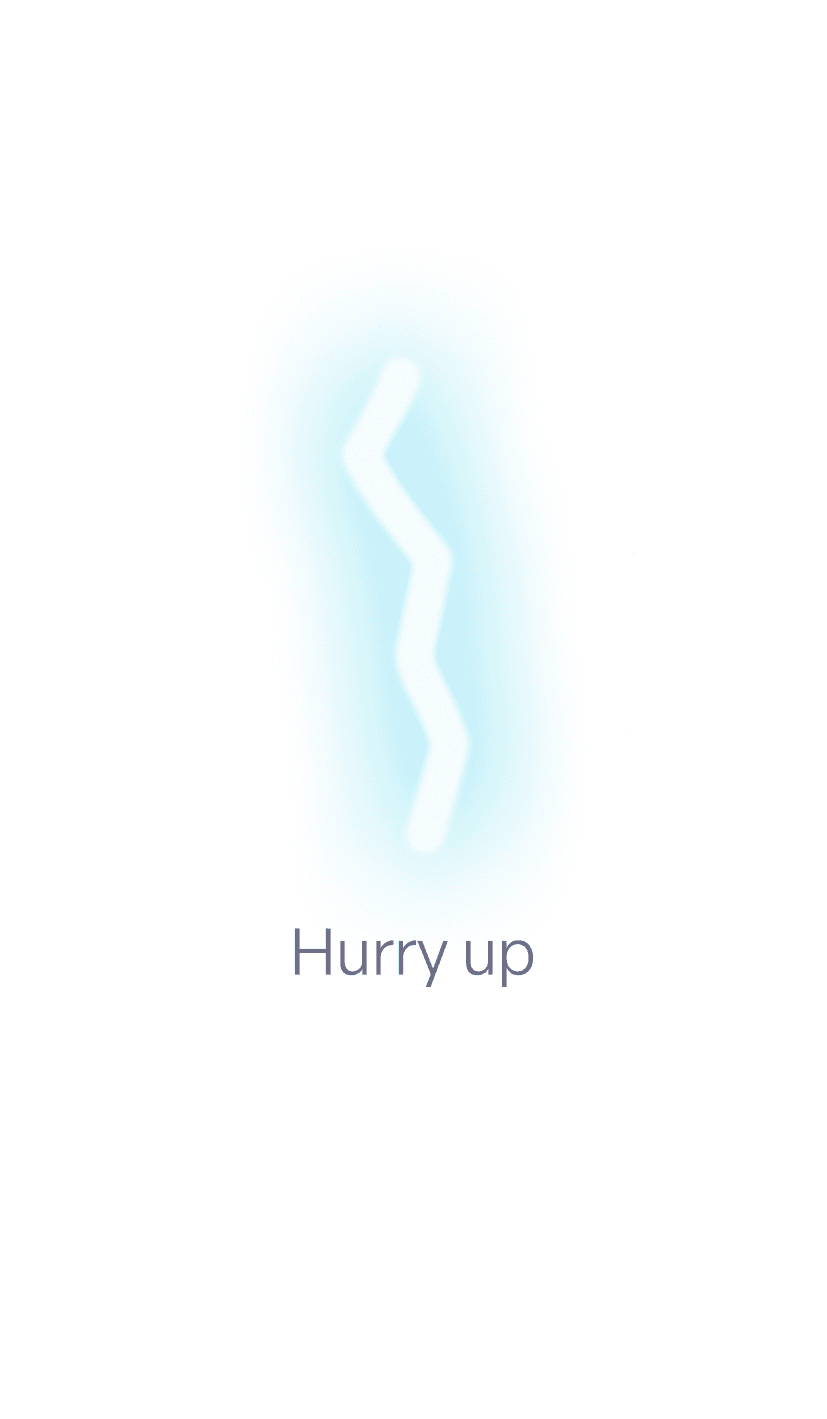
Hurry Up represents urgency, acceleration, narrowing windows of opportunity, and the importance of responsiveness. It reflects circumstances that are developing quickly and situations in which timing becomes increasingly significant. This energy is associated with immediacy, deadlines, rapidly changing conditions, fleeting opportunities, and compressed timelines. Hurry Up highlights environments where delay may carry consequences and where events are progressing at a pace that requires attention and engagement.

Slow Down reflects the need for reduced pace, greater awareness, and a more measured approach. Like a vehicle traveling too quickly for the road ahead, excessive speed can increase the likelihood of missed details, poor decisions, unnecessary stress, or even a crash due to loss of control. This card concerns the relationship between pace and sustainability. This energy is associated with patience, moderation, mindfulness, deliberation, and the ability to move with intention rather than urgency. Slow Down highlights the value of giving situations, decisions, and experiences the time and attention they require.

Retrograde represents revision, reconsideration, recalibration, and the return of unfinished matters. In astrology, a retrograde occurs when a planet appears to move backward from our perspective here on Earth, creating a symbolic association with reviewing what already exists rather than focusing exclusively on what comes next or starting something fresh. This energy supports corrections, refinements, reassessments, second looks, recurring themes, and the re-examination of previous choices, plans, relationships, or experiences. Retrograde reflects periods in which understanding deepens through returning, revisiting, and reevaluating.

The Full Moon is associated with culmination, intensity, amplification, and emotions running high. It represents the point in a cycle when something reaches fullness, increasing its presence, impact, or significance. Just as the moon appears fully illuminated in the night sky, this card is connected with heightened activity, strong reactions, peak experiences, and situations that feel larger, louder, or more emotionally charged than usual, or the emergence of information, feelings, or circumstances into clear view. We can link this to emotional surges, heightened sensitivity, dramatic developments, climactic moments, celebrations, tensions, and the visible results of previous actions or efforts. The Full Moon reflects periods when feelings, circumstances, or ongoing situations reach a peak, making them difficult to contain, overlook, or avoid.

The New Moon represents inception, intention, and the moment when one cycle has ended and another begins. In astrology, it marks the conjunction of the Sun and Moon, a point of union where conscious will and emotional instinct align. Unlike the Full Moon, which brings visibility and culmination, the New Moon occurs in darkness, symbolizing what is not yet revealed but is ready to be set into motion. This energy is about setting intentions, initiating new directions, making commitments, and planting the seeds of future developments. The New Moon signifies the beginning of a lunar cycle, emphasizing choice, focus, and the power of defining what will be developed in the weeks and months ahead.

An Eclipse represents realignment and significant changes. It reflects moments when familiar trajectories shift, hidden influences emerge, or circumstances undergo rapid reorganization. Eclipse energy often carries a sense of magnitude, drawing attention toward developments that alter the course of an existing path, carrying a charge that feels highly fated. This card can be associated with turning points, revelations, big transitions, course corrections, and transformative events. The Eclipse highlights periods in which established structures, expectations, or directions give way to a new configuration and what once seemed certain may be viewed through a completely different lens.

Yin represents receptivity, reflection, stillness, and inward awareness. While often described as feminine energy in spiritual traditions, this card uses the concept in a genderless sense. It refers to a universal energetic principle that exists within all people, regardless of gender identity or expression, and reflects modes of being that are responsive and passive rather than active. This energy is associated with contemplation, intuition, nourishment, restoration, observation, inward expression, and depth. Yin highlights the value of receiving, listening, integrating, and allowing experiences to unfold without force. It reflects the processes through which growth is supported rather than initiated, emphasizing presence over action and receptivity over pursuit. This card reminds us that creation often requires both movement and stillness, effort and receptivity.

The Yang card represents action, expression, initiative, momentum, and the capacity to influence the world through direct engagement. While Yang is often described as masculine energy within spiritual traditions, this card uses the term in a genderless sense. It refers to a universal energetic principle that exists within all people, regardless of gender identity or expression, and reflects modes of being that are active rather than passive. Yang energy is about movement, leadership, assertion, decision-making, productivity, and visibility. It reflects the drive to create, build, pursue, direct energy outward, influence circumstances, and shape the world through active engagement. This card highlights the importance of action and momentum while recognizing that sustainable growth emerges through balance between Yang and its complementary counterpart, Yin.

Infinity captures an energy that is about limitlessness, continuity, and boundless possibility. Symbolized by an unbroken loop (the Lemniscate symbol), it reflects what extends beyond fixed endpoints, emphasizing the vastness of potential, experience, and existence. This card is associated with concepts that transcend ordinary limitations of time, scale, or duration. This energy is connected with expansion, enduring potential, interconnectedness, and the recognition that some processes cannot be neatly contained within a beginning and an ending. Infinity highlights what continues, evolves, and extends beyond immediate circumstances.

The Ouroboros, traditionally depicted as a serpent consuming its own tail, represents cycles, renewal, and self-contained transformation. It symbolizes the continuous relationship between endings and beginnings, illustrating how one phase naturally gives rise to the next. This energy is associated with regeneration, recurrence, evolution, rebirth, and cyclical processes found throughout nature and human experience. The Ouroboros highlights the perpetual movement of dissolution, renewal, and continuation that underlies all forms of growth and change.

Spirit represents the unseen, the immaterial, and that which exists beyond purely physical experience. It is the element associated with consciousness, soul, symbolism, mystery, and the invisible forces that shape perception, meaning, and connection. Unlike the four elements of fire, water, earth, and air; Spirit is not bound to a single domain, but moves through all of them like an invisible thread connecting all aspects of existence. Spirit is about transcendence, sacredness, inner wisdom, subtle awareness, and the recognition that reality contains both visible and invisible dimensions. Spirit highlights the relationship between what can be observed and what can only be sensed, felt, or experienced.

Fire represents passion, vitality, courage, and the drive to create, pursue, and transform. It is the element of ignition, bringing warmth, movement, enthusiasm, and intensity wherever it appears. Fire is associated with the spark that initiates action, the determination that sustains effort, and the force that compels growth through challenge and experience. This energy is connected with ambition, inspiration, confidence, desire, leadership, and self-expression. Fire highlights the capacity to pursue what feels meaningful, to act with conviction, and to bring energy into motion. Like fire itself, it can provide warmth, illumination, and transformation, while also requiring awareness of its power and intensity.

Earth represents stability, practicality, resources, and the tangible foundations of life. It is the element of form, structure, and material reality, governing what can be built, sustained, cultivated, and relied upon over time. Earth reflects the relationship between vision and implementation, emphasizing the importance of turning ideas into something concrete. This energy is associated with security, responsibility, consistency, patience, stewardship, and long-term development. Earth highlights the systems, environments, and resources that support growth, reminding us that lasting results often emerge through persistence, care, and attention to what is physically present.

Air represents thought, communication, curiosity, and the exchange of information. It is the element of ideas, language, learning, and perspective, governing how knowledge is gathered, interpreted, shared, and understood. Air moves freely between people, places, and concepts, creating connections through dialogue and understanding. This energy is associated with intellect, conversation, observation, reasoning, adaptability, and social interaction. Air highlights the power of questions, ideas, and communication, emphasizing the role that information and perspective play in shaping our understanding of ourselves and the world around us.

Water represents emotion, intuition, sensitivity, and the inner world of feeling and experience. It is the element of depth, reflection, connection, and responsiveness, governing the ways in which we relate to ourselves, others, and the unseen dimensions of life. Water adapts to its surroundings while maintaining its essential nature, reflecting both flexibility and depth. This energy is associated with empathy, imagination, emotional awareness, relationships, dreams, and intuition. Water highlights the importance of feeling, connection, and emotional understanding, emphasizing the role of inner experience in shaping how we navigate life.

Cardinal represents initiation, leadership, and the impulse to begin. It is the modality associated with starting new cycles, setting things into motion, and directing energy toward a chosen objective. Cardinal energy is proactive, forward-facing, and concerned with creating momentum where none previously existed. Cardinal is associated with beginnings, ambition, enterprise, decision-making, and taking the first step. When this card shows up, it could be highlighting your capacity or the need to initiate change, establish direction, and move ideas from possibility into action.

Fixed represents stability, consistency, and the capacity to sustain. It is the modality associated with preservation, commitment, and maintaining what has already been established. Fixed energy provides structure, endurance, and continuity, allowing growth and development to take root over time. Fixed energy is about reliability, determination, loyalty, persistence, focus, and resilience. When this card shows up it talks about the ability to hold steady, remain committed, and provide strength through consistency.

Mutable represents adaptation, flexibility, and transition. It is the modality associated with adjustment, integration, and responding to changing circumstances. Mutable energy moves between stages, helping ideas, experiences, and situations evolve from one form into another. This energy is associated with versatility, learning, responsiveness, curiosity, openness, and change. This card shows up to highlight our ability to adapt, refine, and navigate shifting conditions with fluidity and awareness.

Body • Self • Identity
The First House reflects the way we move through the world, how we perceive ourselves, and how others first encounter us. It is associated with personal presence, appearance, self-expression, individuality, and the ongoing development of identity. This house highlights the relationship we have with ourselves and the ways we choose to present who we are.

Money • Resources • Value
The Second House reflects what we possess, what we depend upon, and what we consider valuable. It is associated with finances, possessions, personal resources, priorities, security, and self-worth. This house highlights the relationship between what we have, what we need, and what we value.

Local • Communication • Siblings
The Third House reflects the exchange of information within our immediate environment. It is associated with communication, learning, writing, speaking, education, neighbors, siblings, and everyday interactions. This house highlights curiosity, connection, and the sharing of ideas.

Roots • Home • Family
The Fourth House reflects our foundations, origins, and sense of belonging. It is associated with home, family, ancestry, heritage, private life, and emotional grounding. This house highlights the environments, relationships, and histories that shape our roots.

Children • Pleasure • Creation
The Fifth House reflects creativity, enjoyment, and self-expression. It is associated with children, recreation, romance, artistic pursuits, hobbies, entertainment, and the desire to create. This house highlights what brings joy, inspiration, and creative expression into the world.

Health • Service • Routine
The Sixth House reflects the systems and practices that support daily life. It is associated with health, work, service, responsibilities, habits, organization, and routine. This house highlights maintenance, improvement, and the consistent effort required to sustain wellbeing.

Others • Partnership • Enemies
The Seventh House reflects one-to-one relationships and the people who stand directly across from us. It is associated with partnerships, marriage, contracts, cooperation, negotiation, rivalry, and open opposition. This house highlights the lessons, experiences, and reflections that emerge through our interactions with others.

Transformation • Occult • Shared Resources
The Eighth House reflects depth, exchange, and profound change. It is associated with transformation, shared resources, inheritance, intimacy, psychology, hidden knowledge, the occult, and life's deeper mysteries. This house highlights what is merged, exchanged, revealed, and transformed.

Travel • Higher Learning • Expansion
The Ninth House reflects exploration beyond familiar boundaries. It is associated with travel, higher education, philosophy, spirituality, publishing, foreign cultures, wisdom, and the pursuit of broader understanding. This house highlights growth through discovery and expanded perspective.

Career • Reputation • Legacy
The Tenth House reflects our public life and the impact we make upon the world. It is associated with career, achievement, recognition, leadership, reputation, authority, ambition, and legacy. This house highlights what we build, accomplish, and become known for.

Friendship • Network • Collective
The Eleventh House reflects communities, alliances, and shared aspirations. It is associated with friendships, networks, organizations, groups, social movements, and collective participation. This house highlights connection through common goals, collaboration, and contribution.

Shadows • Isolation • Surrender
The Twelfth House reflects the hidden dimensions of experience that exist beyond ordinary awareness. It is associated with shadows, isolation, solitude, dreams, spirituality, retreat, endings, and surrender. This house highlights what remains unseen, unconscious, or difficult to access directly.

The Sun is the center around which everything else revolves. It speaks to identity, vitality, self-expression, and the qualities that make us distinctly ourselves. This card concerns the desire to be seen, to create, to contribute, and the desire to leave a meaningful mark upon the world. The Sun concerns what sustains us, motivates us, and gives us a sense of significance. Like the Sun itself, this card illuminates, energizes, and supports growth, drawing attention to the forces that give life momentum, direction, and purpose. It is also associated with confidence, visibility, and the ongoing process of becoming who we are meant to be.

The Moon governs the inner world. It reflects emotions, instincts, memories, and the parts of ourselves that operate beneath conscious awareness. Unlike the Sun, which seeks visibility, the Moon concerns what is felt rather than what is seen. Just as the Moon moves through its phases, this card acknowledges the changing nature of feelings, needs, and inner experiences. It is associated with emotional awareness, intuition, comfort, vulnerability, reflection, as well as the rhythms, habits, and routines that shape our lives from within.

Mercury is the messenger, translator, and connector. It governs communication, learning, language, information, and the ways ideas move between people. This card concerns understanding, interpretation, curiosity, and the exchange of knowledge. Mercury is associated with conversation, writing, speaking, teaching, questioning, and observation. It highlights the power of words, the importance of perspective, and the role communication plays in shaping relationships and understanding.

Venus asks what we love, what we value, and what we find beautiful. It governs attraction, affection, pleasure, harmony, and the ways we relate to people, experiences, and things that bring enjoyment or meaning into our lives. This card is associated with relationships, aesthetics, appreciation, desire, connection, and personal values. Venus highlights what draws us closer, what enriches our lives, and what we consider worthy of care, attention, and devotion.

Mars is the force that moves us from intention into action. It governs drive, ambition, courage, competition, and the willingness to pursue what we want. Where Venus attracts, Mars advances. This card is associated with determination, initiative, passion, assertion, protection, and personal agency. Mars highlights the capacity to act, to defend what matters, and to direct energy toward a chosen objective. When not in balance though, be careful, as the energy of Mars (the planet of war) can be quite destructive and can cause devastation if not handled mindfully!

Jupiter looks beyond the horizon. It is associated with growth, opportunity, wisdom, abundance, and the desire to expand our understanding of what is possible. This card concerns exploration, discovery, and the pursuit of experiences that broaden perspective. Jupiter is linked with learning, travel, optimism, philosophy, generosity, and faith in future possibilities. It highlights growth through experience and the benefits that emerge when we are willing to venture beyond familiar boundaries. This can be a lucky card as Jupiter often brings good fortune, but an excess of this energy can also bring over-indulgence and a sense of having bitten off more than one can chew.

Saturn governs responsibility, structure, and the realities that cannot be avoided. It is the architect, the elder, and the strict teacher who reminds us that meaningful achievements require effort, patience, and commitment. Saturn is concerned with what lasts. This card is associated with discipline, accountability, endurance, maturity, boundaries, and long-term development. Saturn highlights the lessons that emerge through perseverance and the foundations that support lasting success. This card can also indicate delays and challenges.

Uranus challenges convention and disrupts what has become stale. It is associated with innovation, liberation, originality, and the impulse to break free from limitations. This card concerns change that emerges through awakening, experimentation, and new ways of thinking. Uranus is linked with breakthroughs, independence, invention, rebellion, progress, and the unexpected. It highlights the forces that encourage evolution, challenge assumptions, and create space for new possibilities to emerge.

Neptune blurs the line between reality and imagination. It governs dreams, symbolism, spirituality, inspiration, and the realms that cannot always be explained through logic alone. This card concerns mystery, creativity, and the power of imagination. Neptune is associated with fantasy, intuition, artistic vision, compassion, transcendence, and altered perspectives. It highlights the beauty, wonder, and uncertainty that arise when we move beyond the purely tangible world. An excess of this energy can bring over-romanticisation, delusions due to a lack of clear-sightedness, addictions, and a complete dissolution of boundaries and structure.

Pluto, the ruler of the underworld, is the force of profound transformation. It governs power, depth, renewal, and the processes through which something is fundamentally altered. This card concerns what lies beneath the surface and the forces that drive lasting change. Pluto is associated with intensity, truth, endings, rebirth, hidden influences, and personal evolution. It highlights the capacity for regeneration and the ways transformation can reshape what once seemed permanent. When out of balance it can often lead to extreme situations, obessions, and power struggles.

Chiron as the wounded healer represents wounds that become sources of wisdom. He reflects the relationship between pain, healing, vulnerability, and understanding. Rather than focusing solely on injury, Chiron concerns what can be learned through difficult experiences. This card is associated with healing, resilience, compassion, mentorship, recovery, and personal growth. Chiron highlights the insights that emerge when we engage honestly with our challenges rather than turning away from them.
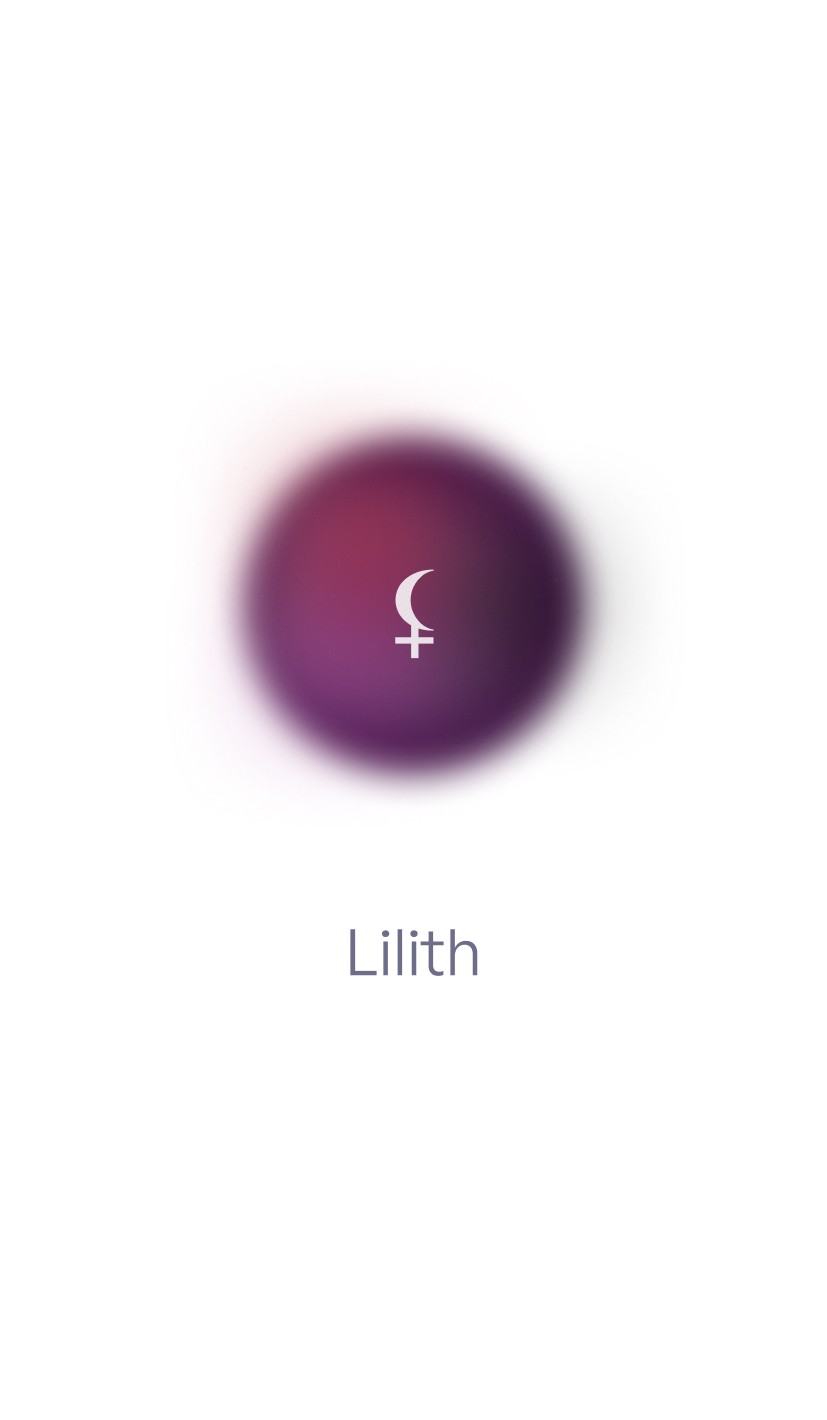
Lilith refuses what seeks to diminish, control, shame, or silence her. She represents autonomy, self-sovereignty, and the parts of ourselves that resist conformity when conformity demands self-abandonment. This card is associated with independence, rejection, boundaries, authenticity, defiance, empowerment, and untamed self-expression. Lilith highlights the desire to live according to one's own truth rather than the expectations imposed by others.

Ceres governs nurturing, nourishment, and care. She reflects the instinct to support growth, provide sustenance, and protect what is vulnerable. This card concerns the ways we give and receive care throughout life's cycles. Ceres is associated with caregiving, provision, motherhood, support, cultivation, nourishment, and the rhythms of loss and renewal. As the Roman goddess of agriculture and harvest; Ceres highlights what must be fed, tended, and cared for in order to flourish, whether that involves people, relationships, projects, communities, or ourselves.

Pallas takes her name from Pallas Athena, the goddess of wisdom, strategy, and skilled problem-solving. Rather than relying on force alone, she was known for intelligence, foresight, and the ability to recognize patterns not immeditely obvious that others overlooked. In other words, this card concerns intelligence applied with purpose. Pallas is associated with problem-solving, planning, insight, foresight, and pattern recognition. She highlights the capacity to navigate complexity through observation, understanding, and strategic thinking.

Vesta tends the sacred flame. In Roman mythology, she was the goddess of the hearth, and her priestesses were entrusted with maintaining an eternal flame that symbolized continuity, protection, and devotion. Because of this, Vesta is associated with the things we choose to dedicate ourselves to and the responsibilities we willingly carry over time. This card reflects commitment, focus, stewardship, sacred duty, and sustained effort. Vesta highlights what we consider important enough to protect, nurture, and preserve. Like a flame that requires ongoing care, the things represented by Vesta are often maintained not through intensity or urgency, but through consistency, attention, and devotion.

Juno speaks of commitment, devotion, and the agreements that bind people together. She rules the responsibilities, expectations, and mutual obligations that accompany meaningful partnerships. This card is associated with loyalty, marriage, contracts, dedication, reciprocity, and long-term commitment. Juno highlights the structures that support enduring relationships and the promises that connect people to one another.

Fertile represents potential supported by favorable conditions. Like rich soil capable of sustaining growth, this card reflects environments, circumstances, relationships, ideas, or opportunities that contain the ingredients necessary for development. It suggests that something has the capacity to take root and flourish. This card is associated with readiness, receptivity, possibility, opportunity, and growth potential. Fertile highlights situations in which development is supported, resources are available, and the conditions are conducive to future expansion.

Infertile represents conditions that are not currently supporting growth. Like soil that lacks the resources needed to sustain healthy development, this card reflects situations in which effort alone may not be enough to produce the desired outcome. Something important may be missing, depleted, unavailable, or unsuitable for what is being attempted. This card is associated with limitations, depletion, incompatibility, and unmet requirements. Infertile highlights the importance of recognizing when conditions themselves require attention before meaningful growth can occur.

Visibility shows up to tell you that it is time to emerge from the shadows! It concerns being seen, recognized, acknowledged, or brought into public awareness. It reflects the transition from remaining in the background to occupying a space where one's presence, work, ideas, or contributions can be noticed by others. This card is associated with exposure, recognition, attention, reputation, and public presence. Visibility highlights the relationship between what exists and what is seen, reminding us that even the most valuable contributions cannot be discovered let alone recognized, appreciated, and celebrated if they remain entirely hidden. You showing yourself is bound to inspire many others like you.

Pleasure reflects enjoyment, satisfaction, delight, and the experiences that bring comfort, fulfillment, or happiness. It concerns our capacity to appreciate what feels good, nourishing, rewarding, or meaningful in the moment. This card is associated with enjoyment, recreation, indulgence, celebration, sensuality, and appreciation. Pleasure highlights the role that enjoyment plays in a well-lived, full life while acknowledging that balance is often necessary when pursuing any source of gratification lest it become over-indulgence or addiction.

Lesson represents growth through experience, understanding gained through challenges, and the knowledge that emerges through lived experience rather than theory alone. Some forms of understanding cannot be rushed, skipped, or acquired without first moving through the process that creates them. You cannot get to level 3 in a video game without winning levels 1 and 2, right? This card is associated with learning, development, maturity, insight, experience, and progression. Lesson, taking the form of the steps of a staircase on this card, highlights the idea that every stage serves a purpose within a larger process of growth and understanding.

Movement reflects change in motion. It appears when something is shifting, evolving, progressing, relocating, developing, or transitioning from one state into another. Unlike stagnation, movement suggests that energy is circulating and that circumstances are not remaining fixed. This card is associated with transition, progress, development, momentum, travel, evolution, and change. Movement highlights the understanding that life unfolds through continual shifts, even when those shifts occur slowly or beneath the surface.

Rest represents recovery, restoration, and the replenishment of energy. It reflects the periods between effort and activity, providing the space necessary for integration, repair, and renewal. This card is associated with recuperation, sleep, relaxation, restoration, recovery, and stillness. Rest highlights the importance of renewal as a natural, necessary, and often revolutionary part of every cycle of activity and growth.

Ask For Help reflects the recognition that support, knowledge, resources, and assistance often exist beyond what one person can provide alone. It challenges the assumption that every challenge must be faced independently and acknowledges the value of collaboration, guidance, and shared effort. This card is associated with support systems, mentorship, cooperation, community, expertise, and receiving assistance from others. Ask For Help highlights the strength found in connection and the willingness to draw upon resources that already exist.

Control reflects our relationship with power, influence, and the desire to shape outcomes. It is associated with agency, self-determination, boundaries, decision-making, and the ability to direct energy toward a chosen objective. In its balanced expression, control can create stability, structure, and a sense of personal empowerment. At the same time, control can become restrictive and rigid when certainty is prioritized above flexibility. This card invites awareness of where power is being exercised, resisted, shared, or held too tightly. May you grant yourself the serenity to accept the things you cannot change, courage to change the things you can, and wisdom to know the difference.

Boundaries define where one person ends and another begins. They help clarify responsibilities, expectations, limits, needs, and capacities within relationships of all kinds. Contrary to popular belief, boundaries are not walls designed to keep people out. Healthy boundaries often make deeper connection possible by creating greater clarity, respect, and mutual understanding. This card is associated with self-respect, communication, limits, autonomy, consent, and relational health. Boundaries remind us that sustainable relationships are built not only through closeness, but also through honoring differences and respecting individual needs.

Planning bridges the gap between intention and execution. It is the process of organizing resources, considering possibilities, anticipating challenges, and creating a pathway toward a desired outcome. While planning cannot eliminate uncertainty, it can provide structure and direction. This card is associated with preparation, foresight, strategy, organization, coordination, and long-term thinking. Planning highlights the value of deliberate effort and the role preparation plays in turning ideas into reality.
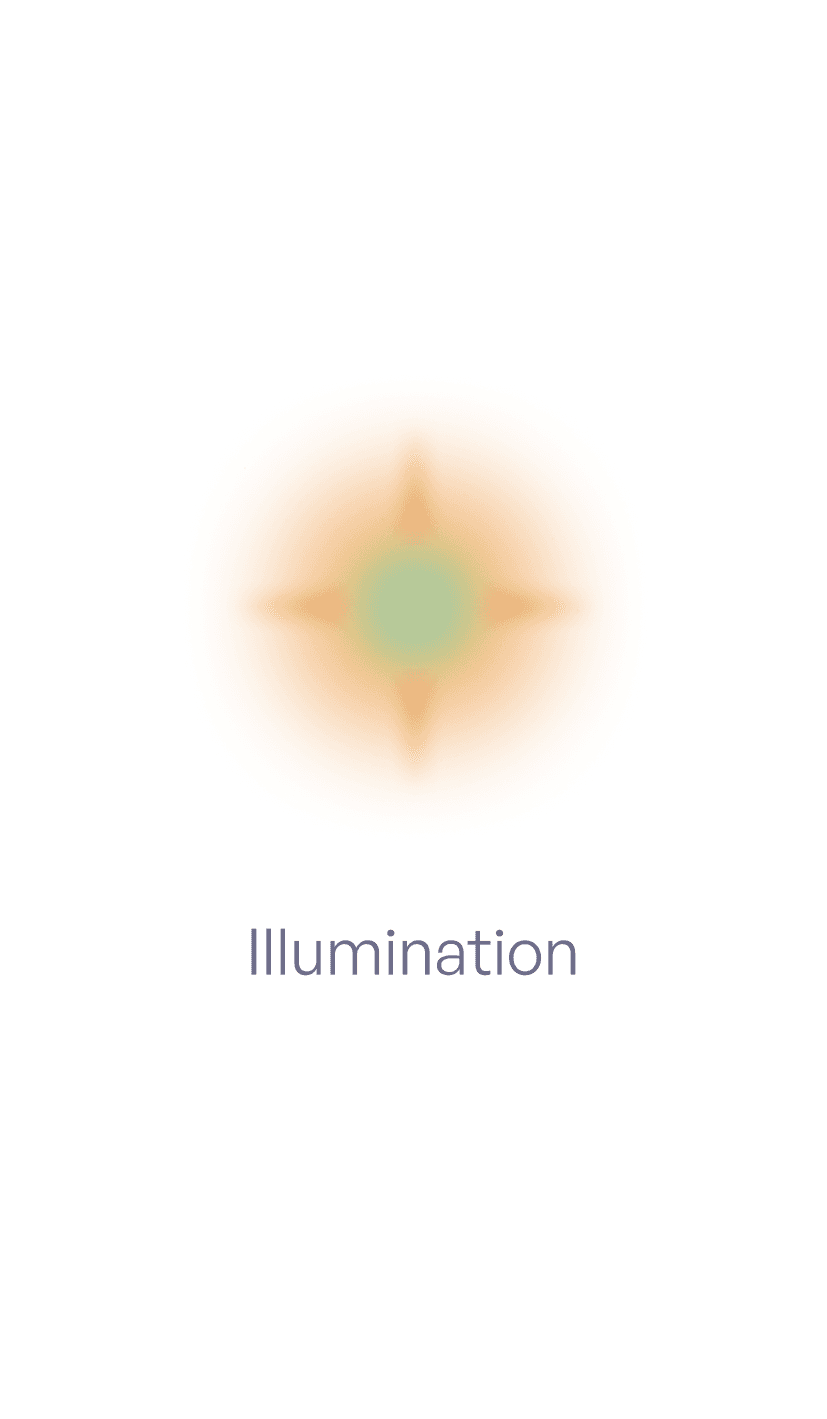
Illumination reflects the moment when a light is switched on within the mind. It is the experience of suddenly understanding something that was previously difficult to see, explain, or comprehend. Rather than changing the situation itself, illumination changes the way it is perceived. This card is associated with realization, insight, awareness, perspective, understanding, and revelation. Illumination highlights the power of seeing clearly and the transformation that can occur when a new perspective brings meaning to what was once uncertain.

A crossroads appears when multiple paths are available and a choice must eventually be made. Each road carries its own opportunities, lessons, consequences, and experiences, yet it is impossible to walk every path at the same time. This card represents decisions, turning points, and the responsibility that comes with choosing a direction. While certainty is rarely available in advance, clarity often emerges through experience. Some answers can only be discovered by taking a step forward and seeing where the road leads.

Avoidance occurs when we consistently move away from something that requires attention. This may involve a conversation, a decision, an emotion, a responsibility, a truth, or a challenge that feels uncomfortable to confront. While avoidance can sometimes provide temporary relief, it rarely removes the underlying issue. This card highlights the distance between what is being avoided and what may become possible when it is finally acknowledged.

Shame is the feeling that something about us is unacceptable, unworthy, flawed, or deserving of rejection. Unlike guilt, which focuses on actions, shame often targets identity itself, creating the sense that there is something inherently wrong with who we are. This card highlights the stories, judgments, expectations, and beliefs that contribute to shame. By bringing these experiences into awareness, shame can begin to lose some of the power it gains through secrecy and concealment.

Addiction reflects attachment that has become difficult to release. Whether connected to substances, behaviors, relationships, beliefs, habits, or patterns, addiction often involves seeking relief, comfort, escape, control, or gratification through something that gradually gains increasing influence over one's choices. This card is associated with dependency, compulsion, temptation, attachment, repetition, and loss of agency. Addiction invites awareness of the forces that hold power over us and the ways liberation may begin through recognizing those influences clearly.

Therapy represents the process of making sense of our experiences. It reflects the work of exploring what has shaped us, understanding recurring patterns, and bringing awareness to aspects of ourselves that may have been overlooked, misunderstood, or left unattended. Through this process, scattered pieces can begin to form a more coherent whole. This card is associated with healing, reflection, self-discovery, integration, support, insight, and growth. Therapy highlights the value of turning toward our experiences with curiosity and compassion, creating opportunities for greater understanding and wholeness.

Safety reflects the experience of feeling secure enough to engage with life in a way that stability, trust, and wellbeing are able to develop. It talks about the conditions that allow the nervous system to relax rather than remain focused on threat or survival. Safety creates the foundation from which connection, exploration, learning, creativity, and growth can emerge. This card highlights the environments, relationships, resources, and experiences that contribute to a sense of security and support. It acknowledges that safety is not only physical, but can also be emotional, psychological, social, political, intellectual, or spiritual. When safety is present, energy becomes available for something more than simply getting through the moment. When this card appears in a reading, it could be pointing to a need to feel or provide safety in one or all of these ways.

Trust reflects confidence placed in a person, process, relationship, system, or oneself. It concerns the willingness to rely upon something despite the absence of complete certainty. Trust allows cooperation, connection, vulnerability, and commitment to develop where constant doubt would otherwise create distance. This card is associated with reliability, faith, credibility, dependability, and emotional security. Trust highlights the foundations upon which meaningful relationships, communities, and collaborations are built. Maybe you need to bring more trust into the situation?

Acceptance represents acknowledgment, recognition, and the willingness to allow something to exist as it is. It concerns the capacity to recognize reality without requiring immediate resistance, denial, or alteration. This card is associated with understanding, acceptance, compassion, reconciliation, awareness, and acknowledgment for the situation, the other person, or your own self. Acceptance highlights the ability to coexist with circumstances, experiences, or aspects of ourselves without requiring their immediate change.

Forgiveness reflects the process of releasing resentment, blame, or bitterness connected to a past experience. It does not require approval, reconciliation, or forgetting. Instead, forgiveness concerns the relationship we choose to have with what has already occurred. This card is associated with compassion, mercy, understanding, release, healing, and emotional freedom. Forgiveness highlights the possibility of reducing the weight carried by past hurts, whether directed toward oneself or another. When this card shows up, it could also be time to forgive yourself for not knowing certain things in the past, and now allowing yourself to move forward with newfound knowledge.

Grief is the emotional response to loss. While often associated with death, grief can arise whenever something meaningful changes, ends, or becomes unavailable. It may be connected to a person, a relationship, a place, a role, a dream, an opportunity, or a version of life that no longer exists. This card acknowledges the depth of attachment that often precedes loss. Grief reflects the significance of what mattered, what was valued, and what was loved. Though often painful, it is also a testament to our capacity for connection.

Release reflects letting go of what is no longer needed, carried, held, or maintained. It concerns the act of loosening one's grip on experiences, emotions, expectations, attachments, responsibilities, or identities that have completed their purpose. This card is associated with surrender, relinquishment, freedom, detachment, transition, and clearing space. Release highlights the natural process through which something exits in order for something else to emerge.

Projection is the tendency to view people, situations, or experiences through the lens of our own assumptions, fears, desires, expectations, or unresolved experiences. Like looking through a distorted screen, what we see may contain elements of reality, but the image is no longer completely clear. This card invites consideration of perception itself. Are you seeing what is actually there, or are you seeing what your own experiences have conditioned you to expect? Projection reminds us that understanding becomes more accurate when we learn to distinguish between what belongs to the situation and what belongs to our interpretation of it.

Dreams occupy the space between imagination and possibility. They may appear as the symbolic narratives of sleep, the visions that emerge through daydreaming, or the aspirations that inspire future action. Dreams often reveal hopes, fears, desires, questions, and possibilities that may not be fully visible during waking life. This card is associated with imagination, aspiration, symbolism, creativity, vision, and potential. Dreams remind us that meaningful change often begins in the realm of possibility, while also acknowledging that dreams become reality through action, participation, and sustained effort.

Regulate reflects the process of returning the nervous system to a state where it can function effectively. It concerns the body's natural capacity to respond to stress, stimulation, emotion, challenge, and change, and then gradually return to a more settled state. Regulation is not the absence of emotion or activation, but the ability to move through experiences without becoming overwhelmed by them. This card is associated with nervous system awareness, grounding, self-soothing, emotional processing, recovery, and resilience. Regulate highlights the importance of creating conditions that support stability, allowing the mind and body to engage with life from a place of greater capacity and responsiveness.

Open Up reflects disclosure, receptivity, transparency, and the willingness to share what has previously remained concealed or protected. It concerns the movement from closed to open, whether in communication, emotional expression, understanding, or connection. This card is associated with honesty, vulnerability, accessibility, self-disclosure, communication, and deeper connection. Open Up highlights the exchange that becomes possible when barriers are lowered and what was previously held within is allowed to be expressed or shared.

Closure reflects the completion of a cycle. Like a circle whose line eventually returns to where it began, closure marks the point at which an experience, chapter, relationship, process, or period of life has reached its natural endpoint. It is associated with wholeness, integration, and the sense that something has come full circle. This card highlights the significance of bringing things to a finished state, whether through understanding, acknowledgment, acceptance, or the simple passage of time. Closure concerns what remains after a cycle has run its course and what becomes possible once space has been created for something new.

Nostalgia is the longing for a time, place, person, or experience that exists primarily in memory. It reflects the relationship between the past and the present, blending remembrance with emotion, meaning, and personal significance. This card is associated with reflection, memory, sentimentality, longing, and appreciation for what has shaped us. Nostalgia reminds us that while the past cannot be revisited exactly as it was, its influence continues to live within the stories we carry forward.

Joy reflects the ability to remain connected to what is meaningful, beautiful, or life-giving. It is more than a fleeting feeling and more than the pursuit of pleasure. Joy can exist alongside difficulty, uncertainty, and even sorrow, making it a powerful expression of resilience and aliveness. This card is associated with wonder, celebration, vitality, appreciation, hope, and the capacity to embrace life in its fullness. Joy highlights the transformative power of finding light, meaning, and beauty even within imperfect circumstances. This is a reminder to engage in the revolutionary act of choosing joyful engagement with life rather than waiting for ideal conditions to arrive!

Human reflects the realities of being imperfect, limited, complex, and continually evolving. It acknowledges that mistakes, contradictions, uncertainty, vulnerability, and growth are inherent parts of the human experience. This card is associated with humility, compassion, imperfection, individuality, resilience, and shared humanity. Human highlights the fullness of the human condition rather than an idealized version of it.

Not everything needs to be solved immediately. Mystery represents the unknown, the unexplained, and the parts of life that remain beyond certainty. While uncertainty is often treated as something uncomfortable, mystery can also be a source of wonder, curiosity, possibility, and discovery. This card invites a different relationship with the unknown. Rather than viewing uncertainty solely as a problem to be eliminated, Mystery asks whether there may be beauty in allowing some questions to remain unanswered while the story continues to unfold.

Protection appears in many forms, not all of them immediately recognizable. Sometimes protection looks like support, guidance, safety, or shelter. Other times it appears as a delay, a closed door, a redirection, a missed opportunity, or a change in plans that only reveals its purpose later. This card is associated with safeguarding, preservation, discernment, resilience, and unseen support. Protection invites reflection on the ways life may be steering us toward certain experiences while quietly steering us away from others.

Flow reflects movement that occurs with ease, continuity, and responsiveness. Rather than forcing outcomes through resistance or excessive effort, flow concerns working with existing currents, rhythms, and conditions. This card is associated with adaptability, momentum, responsiveness, fluidity, alignment, and natural progression. Flow highlights the experience of moving with a process rather than struggling against it.

Balance reflects the relationship between competing forces, needs, priorities, or perspectives. Rather than requiring perfect equality, balance concerns maintaining a state in which different elements can coexist without one consistently overwhelming the others. This card is associated with moderation, harmony, equilibrium, adjustment, proportion, and sustainability. Balance highlights the ongoing process of responding to changing circumstances while maintaining stability.

Hunger is desire intensified. It reflects a powerful longing for something that feels important, necessary, meaningful, or missing. Hunger can motivate ambition, creativity, growth, and achievement, providing the energy required to pursue what matters most. At the same time, hunger can become consuming when attention becomes fixed solely upon what is absent. This card highlights the relationship between desire and fulfillment, inviting awareness of whether hunger is serving as a source of motivation or a source of deprivation.

Conflict appears when different forces are pulling in different directions. It may emerge between people, within relationships, between competing priorities, or within ourselves when one part wants something that another part resists. At its core, conflict reveals that something important is asking for attention. This card is associated with tension, friction, disagreement, opposition, competing needs, and unresolved dynamics. Conflict highlights areas where greater understanding, communication, compromise, or decision-making may be required before movement becomes easier.

Alchemy is the art of transformation. Historically associated with the attempt to turn base metals into gold, it has also become a symbol of personal, emotional, spiritual, and creative transformation. Alchemy reminds us that change is rarely passive. It involves working intentionally with the materials available to us and participating in the process of transformation. This card is associated with integration, transmutation, adaptation, evolution, creativity, and change. Alchemy highlights the possibility of turning difficulty into wisdom, experience into understanding, and potential into something of tangible value. The outcome depends not only on what is being transformed, but also on how the transformation is approached.

Gratitude is the practice of recognizing what is already present, meaningful, supportive, or valuable. It shifts attention toward what exists rather than exclusively toward what is missing, creating space to acknowledge the resources, relationships, opportunities, and experiences that contribute to life. This card is associated with appreciation, recognition, contentment, generosity, and perspective. Gratitude does not require ignoring challenges or pretending everything is perfect. Instead, it encourages awareness of what remains worthy of appreciation alongside whatever difficulties may also be present.

The Inner Child carries our earliest joys, fears, dreams, wounds, curiosities, and ways of making sense of the world. Though time moves forward, these parts of ourselves often remain present, shaping how we connect, create, trust, play, and seek belonging. This card is associated with innocence, wonder, imagination, vulnerability, emotional memory, and childhood experiences. The Inner Child highlights the lasting relationship between our past and present selves, reminding us that growth often involves understanding where we began. When this card appears, maybe it is time to connect with that child that still lives within you. Engage in play. Honour the child’s dreams. Treat them with the utmost care and compassion. Meet their needs that were not met in childhood. Your inner child is counting on you.

Creativity reflects the ability to bring something new into existence. While often associated with artistic expression, creativity extends to problem-solving, innovation, invention, design, storytelling, and the generation of original ideas. This card is associated with imagination, inspiration, experimentation, creation, innovation, and expression. Creativity highlights the human capacity to transform possibilities into tangible forms.

Authenticity reflects alignment between who we are and how we express ourselves. It concerns genuineness, honesty, and the ability to act, communicate, and relate from a place that feels true rather than performative. This card is associated with sincerity, integrity, self-knowledge, congruence, honesty, and personal truth. The Authenticity card highlights the relationship between inner experience and outward expression.

Comparison measures one life against another, often without accounting for the differences in circumstances, resources, timing, opportunities, experiences, and starting points that shape every journey. What appears similar on the surface may be built upon entirely different foundations. This card reminds us that growth is rarely linear and that no two paths unfold in exactly the same way. Comparison can provide perspective, but it can also distract attention from the progress, strengths, and possibilities that exist within one's own journey.

Fear is one of the most fundamental human experiences. It alerts us to potential threats, encourages caution, and helps us respond to uncertainty, danger, and risk. Fear exists for a reason, and in many situations it serves an important protective function. At the same time, fear does not always distinguish between genuine danger and perceived danger. This card highlights the role fear plays in shaping choices, actions, and perceptions, inviting awareness of both its protective wisdom and its potential limitations.

Strength reflects resilience, fortitude, and the capacity to endure challenges without losing oneself in the process. It concerns the ability to remain steady in the face of difficulty, pressure, uncertainty, or adversity. This card is associated with courage, perseverance, determination, endurance, and inner resolve. Strength highlights the resources that allow individuals to continue moving forward despite obstacles.

The Trickster disrupts expectations. Found throughout myths, folklore, and storytelling traditions around the world, this archetype challenges assumptions, bends rules, and reveals hidden truths through surprise, humor, contradiction, or misdirection. The Trickster rarely teaches through straightforward instruction, preferring to expose what has been overlooked by turning situations on their head. This card is associated with irony, unpredictability, cleverness, playfulness, loopholes, reversals, and unconventional wisdom. Trickster highlights the possibility that things may not be exactly as they appear, encouraging curiosity toward unexpected outcomes, unusual solutions, and perspectives that challenge established ways of thinking.

A mirror does not create anything new. It simply reveals what is already present. This card reflects the ways in which people, situations, and experiences can act as mirrors, showing us aspects of ourselves that may be difficult to recognize directly. What captivates us, challenges us, inspires us, or disturbs us can often reveal something meaningful about our own inner world. This card is associated with reflection, recognition, awareness, resonance, perception, and self-discovery. The Mirror highlights opportunities to understand ourselves through what is being reflected back to us.

A third party introduces an additional influence into an existing dynamic. While often discussed in romantic contexts, a third party can be a person, responsibility, organization, belief, obligation, circumstance, or competing priority that affects the relationship between two existing elements. This card highlights the impact of outside influences on connection, communication, decision-making, and balance. A third party may create tension, distraction, support, mediation, opportunity, or complexity depending on the role it plays within the situation.


The Initial Cards draw attention to names, places, organizations, titles, or other words associated with the letters shown on the card. Rather than representing a specific archetype or theme, these cards function as symbolic prompts, highlighting initials that may hold relevance to the situation, question, or reading. Initials can appear in many forms. They may refer to a person, a location, a business, a concept, a project, a significant event, or any word that carries personal meaning for the reader. Their significance may be immediately recognizable or become clear over time. As with all symbolic tools, interpretation should be approached with flexibility and discernment. The appearance of an Initial Card does not guarantee a particular person or outcome. Instead, it invites consideration of the names, places, ideas, or associations connected to the letters displayed on the card.

The Blank Card is a special one as its meaning is left to the interpretation of the reader. Unlike the other cards in the deck, it does not carry a fixed meaning, symbol, or archetype. Instead, it can be about space, nothingness, undefined, unknown, unwritten, unformed - OR it can serve as an invitation to co-create with the deck itself. Readers may choose to leave it blank or transform it into a card of their own by writing, drawing, or assigning a personal meaning! In doing so, the Blank Card also becomes a reflection of the idea that meaning is not only discovered, but sometimes created.